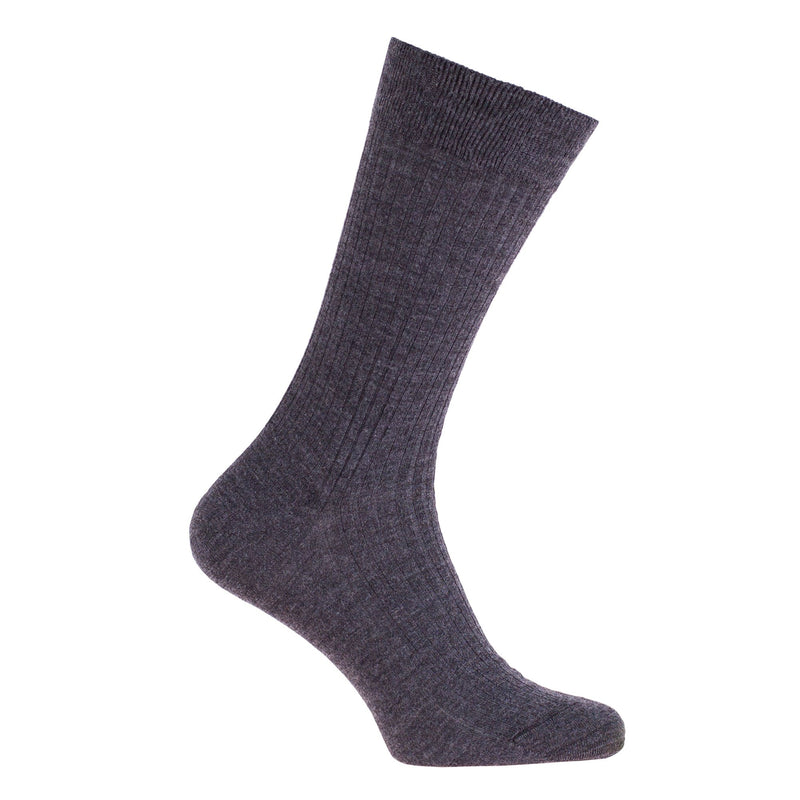
What Makes Yak Merino Base Layers So Beneficial For Winter Sportswear With Regards To The Natural Fiber Benefits And Environmental Sustainability?
Natural fibers are a great choice for base layers in winter sports clothing, not just for their durability but also because of their environmental sustainability.
Both wools, yak and merino, are natural fibers derived from animals (yak and merino sheep, respectively). These renewable resources can be harvested without causing harm to animals. They are biodegradable, which means that they are broken down naturally and without causing environmental harm.
Environmental impact is minimal
Natural fibers are a source of energy and generally has a less environmental impact compared to synthetic materials. The process of harvesting and cultivation of wool involves lesser chemical processing, and is less dependent on renewable resources compared to that of synthetic fibers.
Energy Efficiency
The process of processing wool fibers consumes less energy than the production or synthetic fibers like nylon or polyester. Natural wool production is energy efficient, which results in less carbon emissions.
Reduced Microplastic Pollution
Natural wool fibers aren't contributing to the microplastic pollution of waterbodies like synthetic fibers.
Durability and Recycling-
Yak wool clothes are generally durable and last a long time that can extend their lives. The wool fibers are also able to be recycled and repurposed. This helps reduce waste as well as the impact on the environment.
Sustainable Practices
Certain wool producers use ethical and sustainable practices. This involves ensuring the welfare of animals and sustainable land management. They also guarantee fair labor conditions and conditions of work for the employees involved in the production process.
Environmental Certification-
Certifications like the Responsible Wool Standard (RWS) or the Global Organic Textile Standard (GOTS) ensure ethical and environmentally responsible practices in wool production and provide consumers with confidence of the sustainability of wool production.
In the overall scheme yak Merino Wool base layers are environmentally sustainable since they are constructed from natural fibers, have minimal environmental impact and also incorporate ethical and sustainable practices within the supply chain. This is due to the fact that natural fibers are sustainable. Read the top rated
merino wool base layer hints for blog advice including patagonia merino wool base layer, smartwool thermals, long johns for skiing, merino wool base layer hunting, ski base layer womens, merino wool thermals women's, wool thermals womens, first lite merino wool base layer, wool long underwear women's, best layers for skiing and more.
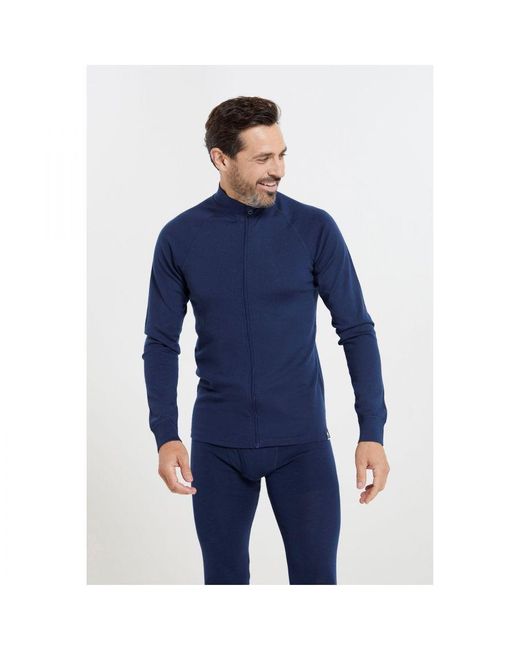 What Are Some Of The Benefits That Bamboo Clothing Provides In Terms Of Comfortability As Well As Sustainability And Security When It Is Used As Outdoor Winter Clothes?
Comfort, sustainability and protection are three of the many advantages that bamboo clothing provides for outdoor winter clothes.
Bamboo fabric is known to be soft and smooth. It's soft to the skin. It is often compared with silk or cashmere due to its lavish appearance.
Bamboo fibers are wicking properties, which draw moisture from the skin to keep you comfortable and dry when you exercise.
Thermal Regulation- Bamboo clothing has natural temperature-regulating properties, providing warmth in winter while remaining breathable to prevent overheating.
Sustainability-
Renewable Resource - Bamboo is a highly renewable resource that grows quickly without the requirement for chemical fertilizers. Bamboo is able to regenerate very quickly and is a renewable fabric to wear clothing.
Low environmental impact- Bamboo cultivation generally requires less water than conventional cotton farming. It doesn't deplete soil nutrients. Bamboo also releases more air and absorbs more carbon dioxide than most species.
Protection for Outdoor Wear-
UV Protection Bamboo fabric, with its inherent UV-resistant properties can provide a natural defense against harmful UV-rays.
Bamboo has natural antibacterial properties called "bamboo-kun," that help to stop the growth of bacteria that cause odors. The clothing stays fresher longer while outdoors.
Other Benefits
Bamboo fibres are strong and long-lasting. They are ideal to make outdoor clothing subjected to rough use.
Biodegradability. Bamboo clothes are biodegradable. They can decompose naturally at their end of their life, thus reducing their environmental impact.
For winter outdoor clothing, the bamboo fabric provides a combination of comfort and thermal control. It also regulates the moisture and is a sustainable. Check out the recommended
bamboo clothing for site examples including bamboo clothing brand, bamboo clothing brand, bamboo yoga trousers, clothes made from bamboo, organic bamboo pajamas, bamboo pants, bamboo pants ladies, bamboo childrens clothing, bamboo cotton t shirts, bamboo clothing and more.
 What Is The Way That Bamboo And Merino Garments Compare To Wool That Is Regular?
Merino bamboo, Merino regular wool each have distinct particularities.
Softness- Merino is known for its fine soft fibers that make it comfortable to wear. It's less likely to trigger irritation or itching compared to traditional wool.
Moisture-Wicking- Merino wool is extremely wicking properties, removing moisture from the skin, allows it to evaporate while keeping the wearer dry and comfortable.
Merino wool is exceptionally warm, even when it's wet. It regulates the body temperature and provides insulation during cold winter days.
Odor Resistance - It is an anti-bacterial ingredient in nature that blocks the growth of bacteria, keeping clothes fresh and smelling good even after prolonged wear.
Bamboo Clothing
Bamboo clothing is well-known for its silky and soft feel, often likened to silk or cashmere. It is gentle to the skin, and offers an indulgence.
Bamboo fabric is a moisture-wicking fabric that pull moisture away from your body and keeps you dry while exercising.
Temperature Regulation- Bamboo clothing has natural temperature-regulating abilities, offering warmth in winter and breathability to prevent overheating.
Sustainability- Bamboo is a extremely renewable resource that grows rapidly, without the need of fertilizers or pesticides. Biodegradable bamboo can have a minor environmental impact.
Wool Regular
Texture - The texture of traditional wool is different Some are coarser than others, and more likely to cause itching or discomfort.
Warmth - Regular wool offers an excellent insulation and warmth but it can also be heavy or bulky.
Wool is able to absorb moisture. This makes it less efficient at moisture wicking in comparison to merino bamboo, or other textiles. It is still warm even when it is damp.
The advantages of merino include its softness, moisture-wicking capability and resistance to odor and insulation. Bamboo clothing is supple, has moisture-wicking capabilities, regulates temperatures, and is environmentally friendly. Regular wool comes in a variety of textures but may not have the same softness and moisture wicking properties as merino or bamboo clothes, however they can provide warmth and insulation. Each material has its own advantages that cater to different needs and preferences for winter clothing. Read the recommended
my website merino winter clothing for website recommendations including bamboo winter clothing womens, merino winter clothing womens, smartwool base layer sale, wool thermals mens, ll bean bamboo winter clothing, terramar merino woolskins, merino thermals, ski thermals womens, best thermals for skiing, best layers for skiing and more.